
(Source: Freepik)
If you’ve ever noticed flakes on your shoulders or an itchy scalp, you’re not alone. Dandruff is a common condition that affects many of us. But can dandruff cause hair loss? That’s a question that leaves many of us wondering. Let’s dive into the facts and clear up the myths surrounding this issue.
What Exactly Is Dandruff?
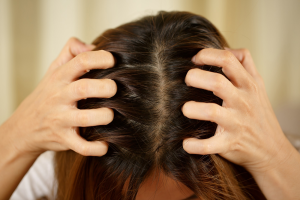
Dandruff is a common scalp condition where dead skin cells shed more often than they should, leading to white or yellowish flakes. You might notice these flakes on your clothes or hair. And, they’re often accompanied by itching, irritation, or even redness.
But here’s the thing, while dandruff can be uncomfortable or embarrassing, it’s usually not harmful. So, what’s really causing it?
- Dry Skin
One of the main reasons for dandruff is dry skin. It often worsens in cold weather when humidity levels drop. When your scalp is dry, the skin becomes flaky and sheds faster.
Unlike dandruff caused by oily skin, dry skin flakes tend to be smaller and less greasy. People with dry skin also tend to experience more itching.
If you notice dandruff alongside rough or cracked skin on other parts of your body, it’s likely that dryness is the main culprit.

(Source: Envato Elements)
- Seborrheic Dermatitis
Seborrheic dermatitis causes a more severe form of dandruff. It happens when the scalp becomes oily, irritated, and inflamed, leading to large, greasy flakes that can appear yellowish.
This condition doesn’t just affect the scalp. It can also appear in other areas with oil glands. Such as your face, chest, or back.
Seborrheic dermatitis is closely linked to the overproduction of sebum (the natural oil made by your scalp). It’s often seen in people with oily skin.
The irritation caused by excess sebum triggers the rapid shedding of skin cells. Hence, resulting in dandruff.
- Fungus (Malassezia)
Here’s something many people don’t know. A type of yeast called Malassezia naturally lives on everyone’s scalp. In most cases, it’s harmless.
However, if it grows out of control, it can start to irritate the skin, leading to dandruff. This fungus feeds on the oils (sebum) on your scalp. Which is why oily scalps are particularly prone to dandruff caused by Malassezia.
The overgrowth of this fungus disrupts the scalp’s natural balance. It causes inflammation, flaking, and itching.
While Malassezia itself doesn’t cause hair loss, the inflammation it triggers can weaken hair follicles over time, making hair more prone to shedding.

(Source: Envato Elements)
Other Causes
In addition to dry skin, seborrheic dermatitis, and fungus, several other factors can contribute to dandruff:
- Poor Hygiene
While dandruff isn’t caused by not washing your hair, poor scalp hygiene can worsen the condition. Infrequent washing allows oil and dead skin cells to build up. This makes flakes more noticeable.
- Certain Hair Products
Some people may experience dandruff as a result of sensitivity to ingredients in shampoos, conditioners, or styling products. This condition, known as contact dermatitis, can cause itching, redness, and flaking.
- Diet
Your diet can play a role in scalp health. A diet lacking in essential nutrients (like zinc, B vitamins, and certain fatty acids) can lead to a dry, flaky scalp. These nutrients are important for skin health and can help regulate oil production.
A diet high in processed foods and sugars can also contribute to inflammation. Which potentially worsens dandruff.

(Source: Envato Elements)
- Hormonal Changes
Hormonal imbalances, particularly during puberty, pregnancy, or menopause, can affect the scalp’s oil production. Increased sebum production can lead to dandruff. Especially in individuals prone to seborrheic dermatitis.
Additionally, conditions like polycystic ovarian syndrome (PCOS) may trigger both dandruff and hair thinning due to hormonal fluctuations.
- Weather Conditions
Cold, dry weather is notorious for worsening dandruff. The lack of humidity in the air can strip moisture from your scalp. Which leads to dryness and flakiness.
On the flip side, hot and humid weather can increase oil production. This may trigger dandruff if your scalp becomes oily and irritated.
- Medical Conditions
Certain medical conditions can contribute to dandruff. For instance:
- Parkinson’s disease and other neurological conditions have been linked to an increased risk of seborrheic dermatitis.
- Autoimmune disorders such as psoriasis can also cause scalp flaking, though this is different from standard dandruff.
- HIV/AIDS: Individuals with weakened immune systems, such as those with HIV, are more likely to experience severe dandruff or seborrheic dermatitis.
- Environmental Factors
Pollution and exposure to environmental toxins can irritate the scalp and lead to flaking. Airborne pollutants may disrupt the natural balance of your skin, causing irritation and triggering dandruff.
- Lack of Hair Brushing
Not brushing your hair often can contribute to dandruff. Particularly if you have a dry scalp. Brushing helps remove dead skin cells and distribute oils from your scalp along the hair shaft. This prevents oil build-up and flaking.
The Connection Between Dandruff and Hair Loss
So, can dandruff cause hair loss? The simple answer is no. Not directly. Dandruff itself doesn’t make your hair fall out.
However, its effects on your scalp can indirectly lead to hair loss. Let’s break down how this happens.

(Source: Freepik)
- Constant Scratching
When your scalp feels itchy, the urge to scratch can be overwhelming. But did you know that constant scratching weakens your hair roots?
Here’s how. Every time you scratch, you’re creating micro-injuries on your scalp. This damages the hair follicles over time.
Hair follicles are responsible for holding your hair in place and promoting new growth. Repeated scratching irritates the follicles and can make them less effective at anchoring your hair.
Over time, this leads to hair thinning and even breakage. What many people don’t realise is that it’s not the dandruff itself, but the scratching caused by the irritation, that contributes to hair loss.
- Inflammation
Dandruff can cause scalp inflammation, especially in cases of seborrheic dermatitis. Inflammation occurs when the skin becomes irritated and swollen due to the body’s immune response.
This is a problem because inflamed hair follicles are weaker and less able to support healthy hair growth. Prolonged inflammation damages the scalp environment and disrupts the hair growth cycle.
When hair follicles are inflamed for long periods, they can enter the shedding phase prematurely. Hence, resulting in noticeable hair loss.
While this type of hair loss is often temporary, if the inflammation persists, it can hinder hair growth in the long run.
- Blocked Hair Follicles
Another indirect way dandruff can lead to hair loss is by clogging hair follicles. When you have excessive dandruff, the flakes can accumulate on the scalp, mixing with oils and product residue.
This build-up blocks the hair follicles and prevents nutrients from reaching the hair roots. When your follicles are blocked, hair struggles to grow properly. This results in weakened strands and possible thinning.

(Source: Envato Elements)
Myth-Busting: Dandruff vs. Permanent Hair Loss
It’s important to clarify that dandruff doesn’t cause permanent hair loss. If you manage to control the dandruff and stop the itching and irritation, your hair should grow back.
Many people mistakenly think that once their hair starts to thin or fall out due to dandruff, it’s gone for good. This isn’t true. Addressing the underlying dandruff issue can often restore hair growth.
How To Treat Dandruff-Related Hair Issues
Worried about dandruff leading to hair thinning or excessive hair shedding? Good news! Treating the scalp condition can help reverse these effects.
Let’s dive into some effective ways to manage dandruff and protect your hair.
- Use Anti-Dandruff or Medicated Shampoos
One of the easiest and most effective treatments for dandruff is using a targeted shampoo.
Look for ingredients like zinc pyrithione, ketoconazole, or selenium sulphide. These work by addressing the underlying cause of dandruff. Such as fungal overgrowth or excess oil production.
Zinc pyrithione is particularly good at reducing the fungus Malassezia. Meanwhile, selenium sulphide helps slow down the turnover of skin cells on your scalp, reducing flakiness.
The regular use of these shampoos can significantly reduce dandruff and improve scalp health. This in turn helps to prevent hair thinning caused by inflammation and scratching.

(Source: Envato Elements)
- Avoid Harsh Hair Treatments
It’s important to be gentle with your hair while battling dandruff. Avoid overuse of heat styling tools like straighteners and curling irons. Excessive heat can make your scalp even more irritated and dry.
Chemical treatments such as dyes or perms can also strip the scalp of its natural oils, worsening dandruff.
Additionally, tight hairstyles like ponytails or braids put extra stress on hair follicles, which are already weakened by constant scratching or inflammation.
Instead, opt for gentler styling techniques and try to minimise the use of heat tools. Give your hair and scalp a break. This will help it recover faster.
- Hydrate Your Scalp
Can dandruff cause hair loss if it’s due to dryness? Yes, if dry skin is your main cause of dandruff, you need to focus on hydration.
Moisturising shampoos and scalp treatments can be a game-changer. Look for products that contain soothing ingredients like tea tree oil, aloe vera, or coconut oil.
These can help restore moisture to the scalp, reducing dryness and flaking. Keeping your scalp hydrated will not only relieve dandruff but also create a healthier environment for hair growth.
- Consult a Dermatologist
If your dandruff persists despite trying various remedies, it’s time to consult a dermatologist. Persistent dandruff could be a sign of an underlying condition like seborrheic dermatitis, psoriasis, or even eczema.
A dermatologist can diagnose the specific cause of your dandruff. And, if necessary, prescribe stronger medicated treatments. Prescription-strength shampoos or topical treatments can target severe cases more effectively.
In some cases, if the dandruff is causing significant scalp inflammation, they may recommend corticosteroids to reduce inflammation and prevent hair thinning.

(Source: Envato Elements)
Can Stress Make Dandruff and Hair Loss Worse?
Believe it or not, stress can play a significant role in both dandruff and hair loss.
While stress doesn’t cause dandruff directly, it can weaken your immune system. This can make you more prone to the fungal overgrowth that triggers dandruff.
Similarly, stress-induced hair loss is a real phenomenon. Managing stress through relaxation techniques or regular exercise can help reduce both conditions.
Preventing Hair Loss While Managing Dandruff
If you’re dealing with dandruff, it’s important to also take steps to prevent hair loss.
Treating dandruff is key. But, keeping your scalp and hair healthy will further minimise any risk of hair thinning or shedding.
Here are a few practical tips to help you manage dandruff while maintaining a healthy scalp environment.
- Wash Regularly, But Not Too Often
Keeping your scalp clean is essential when managing dandruff. However, over-washing can strip your scalp of its natural oils. This can lead to dryness and irritation.
The trick is to find a balance that works for your scalp type. If you’re using a medicated anti-dandruff shampoo, follow the instructions carefully. Some of these shampoos need to be left on the scalp for a few minutes to work effectively. Rinsing too quickly may prevent the active ingredients from doing their job.
Washing regularly ensures that the dandruff-causing fungus or excess oils don’t build up, while avoiding excessive washing protects your scalp’s natural barrier.
- Be Gentle With Your Scalp
One of the biggest mistakes people make when dealing with dandruff is being too rough on their scalp. Can dandruff cause hair loss through excessive scratching? Absolutely.
Scratching your scalp when it itches can damage hair follicles and weaken the roots. This makes hair more prone to breakage. To avoid this, gently massage your shampoo into the scalp using your fingertips. Avoid using your nails or rubbing vigorously. This will help clean the scalp without causing trauma to the hair follicles.
Similarly, avoid tight hairstyles like ponytails or braids, which can place extra stress on your scalp. Harsh brushing and twisting should also be avoided, as they can worsen the problem.

(Source: Envato Elements)
- Stay Hydrated and Eat Well
A healthy scalp starts from the inside out. Staying hydrated is indeed important for your overall health. But, it also keeps your scalp and skin well moisturised.
Drinking plenty of water helps prevent dry skin, which is one of the main contributors to dandruff.
On top of that, a nutritious diet packed with vitamins and minerals can strengthen your hair and promote scalp health. Look for foods rich in zinc, biotin, and omega-3 fatty acids.
Zinc is particularly important for regulating your scalp’s oil production. Biotin, on the other hand, supports healthy hair growth. Omega-3s are known to reduce inflammation, which can help soothe an irritated scalp.
Foods like salmon, nuts, eggs, and leafy greens are all great for maintaining both scalp and hair health.
- Seek Professional Dandruff Treatment
If you’ve tried managing dandruff at home without success, it’s time to seek professional treatment.
A dermatologist or scalp specialist can provide you with tailored advice and products designed for your specific condition. They may recommend stronger medicated shampoos or treatments that target the root cause of your dandruff.
You could also consider therapeutic treatments, which focus on balancing the scalp’s environment. These treatments diminish inflammation, regulate oil production, and provide vital nutrients to restore your scalp’s health. Hence, giving you a stronger foundation for hair growth.
Getting the right treatment can help clear up your dandruff, reduce scalp irritation, and prevent further hair loss.

(Source: Gui Ren Tang)
Dandruff Treatment at Gui Ren Tang
So, if you’re struggling with dandruff, take action now before it starts to affect your hair health! If you’re unsure where to begin, consult our specialist today. They’ll help you get to the root of the problem – pun intended!
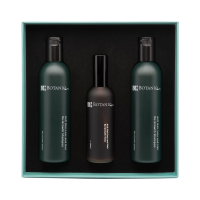
For an effective solution, Gui Ren Tang offers a specialised dandruff treatment. This treatment is designed to diminish inflammation, reduce itching, and regulate excessive sebum production.
Our Therapeutic Meridian Remedy not only regulates sebaceous glands but also balances scalp cell environments to promote healthier hair. By replenishing 100% phyto-nutrients for your scalp and damaged hair, we help you restore your scalp health and vitality.
Take control of your dandruff and protect your hair with our expert service today! For more information or if you have a burning question, don’t hesitate to contact us. We’ll be more than happy to assist you!
Final Thoughts: Can Dandruff Cause Hair Loss?
In conclusion, dandruff itself isn’t the root cause of hair loss. However, the irritation and inflammation it causes can lead to temporary hair thinning or shedding.
Address your dandruff problem as soon as possible. This way, you can protect your hair and possibly restore its thickness over time. The key is to manage both conditions, starting with a healthy scalp to keep your hair strong.
Interested in reading more insightful blogs like this? Come explore our blog section!